
Some of the best places in a home are often the ones visitors never see.
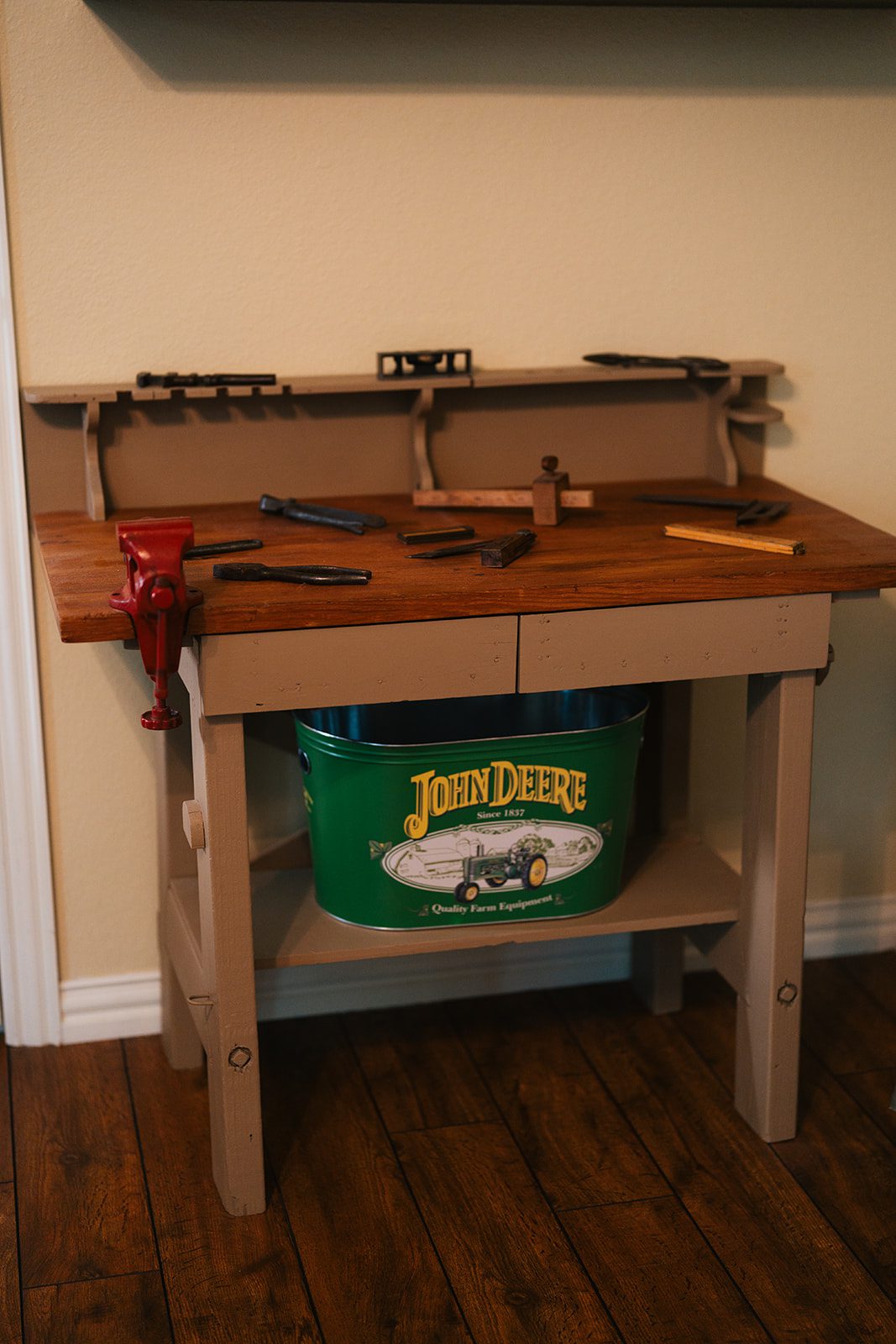
They may be tucked away in a garage, basement, barn, or small workshop at the back of the property. There may be sawdust on the floor, a few projects waiting for attention, and a workbench that has seen better days. It may not be perfectly finished or perfectly clean, but it is a place where special things happen.
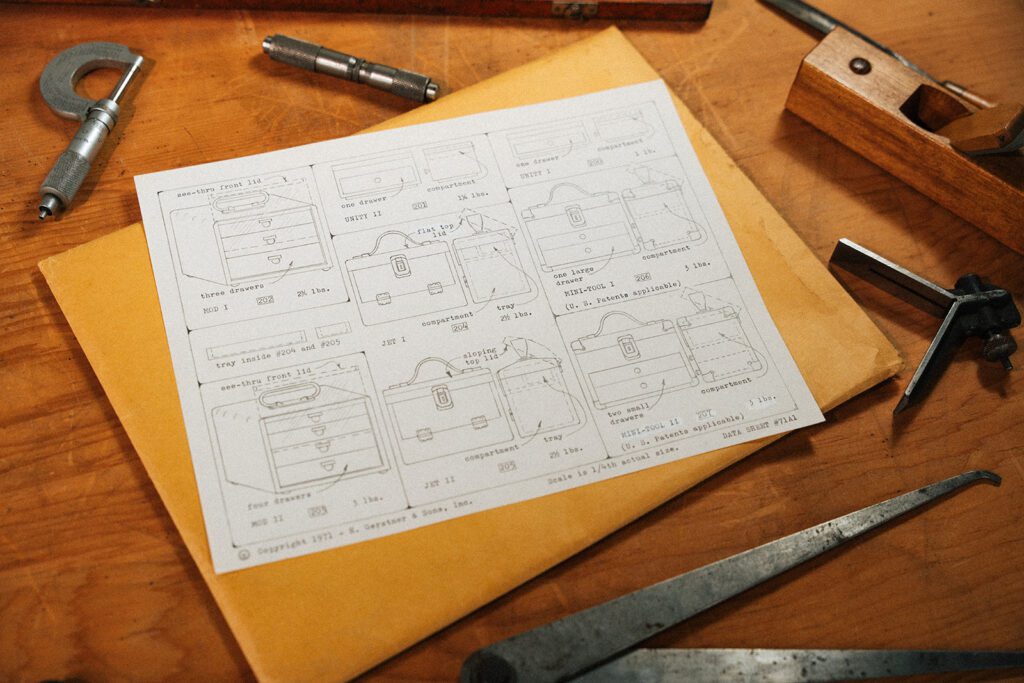
It is a place where an idea can become something you can hold in your hands. Where a broken chair can be repaired, an old car can be brought back to life, or a piece of wood can slowly become something beautiful.
Ideally, it is an organized workshop where every tool has a place and can be found when you need it. Most importantly, it is a place where problem solving and creativity come together. And often, it becomes a place where people come together, too.
A Place for Making and Tinkering
There is something satisfying about knowing where your tools are. Open a drawer and there is the screwdriver you need. Reach for a wrench and find it exactly where you left it. Pull out a favorite hand tool that has been used on hundreds of projects over the years.
Good workshop organization does more than save time. It gives you the freedom to concentrate on the work itself.
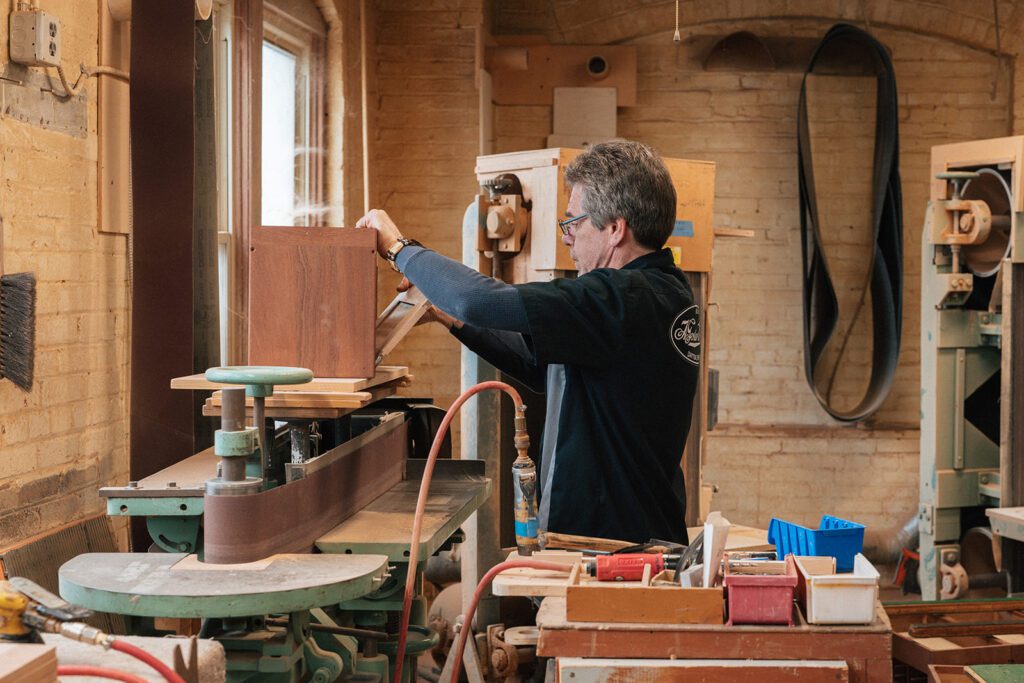
When the tools are organized and close at hand, you can spend less time searching and more time thinking. You can try something, discover that it doesn’t work, and try again. You can solve a problem that didn’t have an obvious answer when you started.
That is part of the fun. The project does not have to be important. The time spent doing it can be.
Where Generations Learn Together
Some projects are simply too much fun to do alone. Building a rocker for a grandparent or a cradle for a new grandchild. Designing a creative bookshelf for a child’s bedroom or the grandfather clock you have always wanted for the front hall.
These projects take time, patience, planning, measuring, cutting, sanding, fitting, and sometimes starting over. Along the way, someone inevitably learns something new. That is where a workshop becomes something more than a workspace.
We all learned from someone either a parent, grandparent, teacher, sibling or neighbor. How to measure twice before making a cut. Hand tool safety and then power tool safety. Working together to solve problems that were challenging to figure out alone. We invite friends stop by to lend a hand and stay longer than expected.
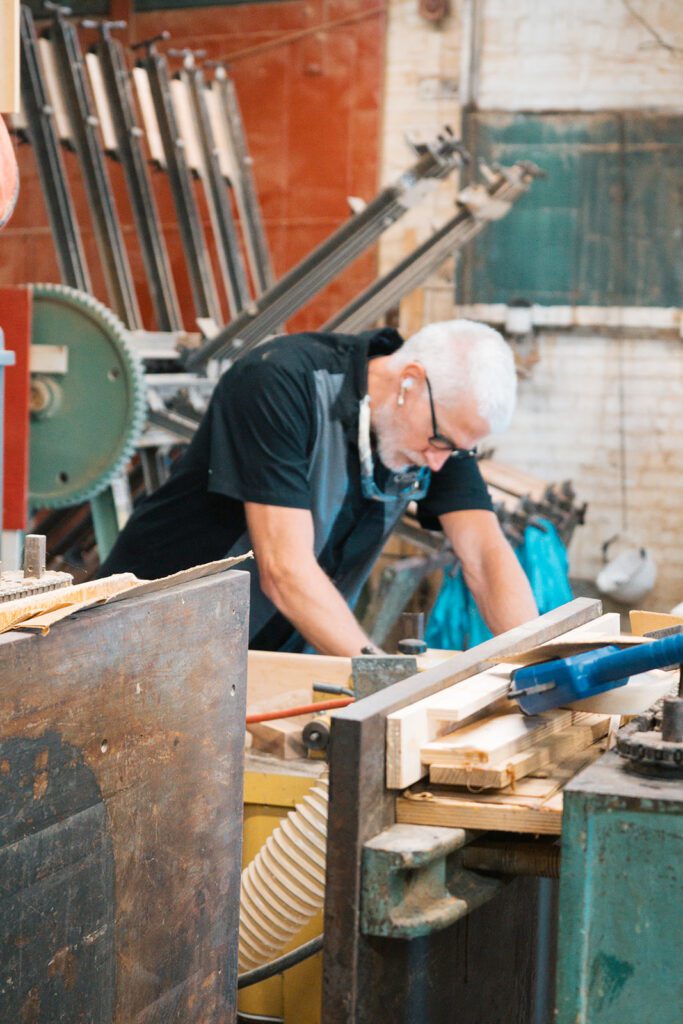
A finished piece may eventually find a place in someone’s home. But the real project was happening all along. People were spending time together. Years later, that rocker may still sit in a corner of the house. A grandchild outgrows the cradle and now holds stuffed animals. The grandfather clock may continue marking the hours in the front hall long after the people who built it are gone.
And every one of those objects will carry a story about the people who made it.
A Gerstner Chest Belongs in That Story
For more than a century, Gerstner tool chests have been part of working spaces like these.
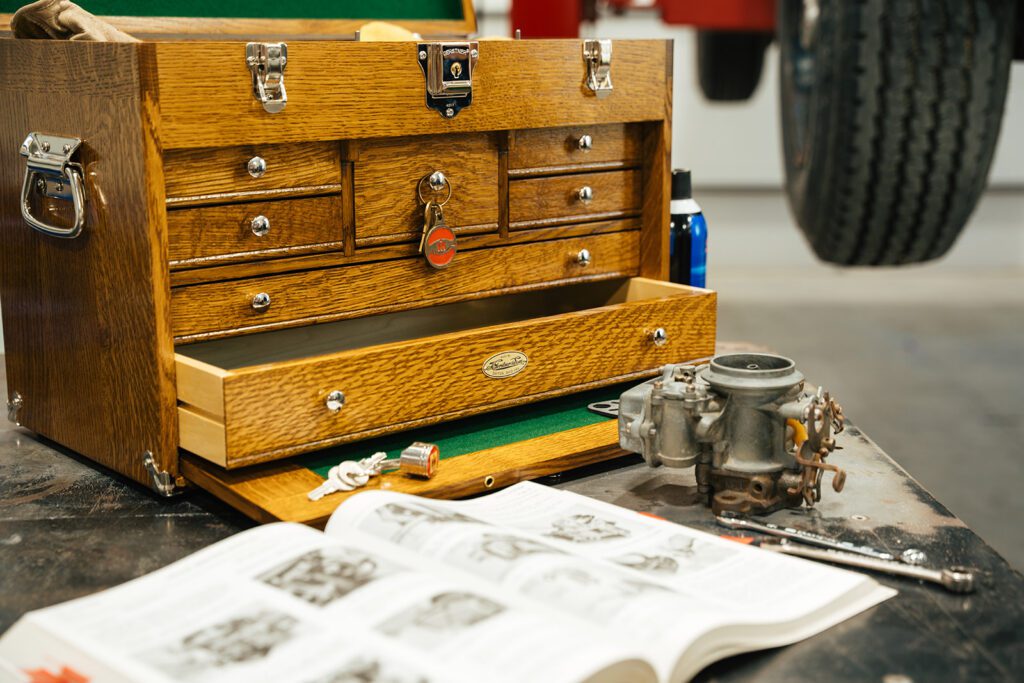
They have been used by machinists who depend on their tools every day. Also used by craftspeople and hobbyists who need their tools organized and protected. Gerstner chests have found homes in garages and workshops where people spend their free time fixing, building, restoring, and creating.
A wood tool chest is practical by nature. It provides every tool protection from corrosion while also keeping them organized so the right tool can be found when it is needed.
But spend enough time with a Gerstner, and it becomes part of the workshop itself. The chest gathers a little history of its own. The drawers become familiar. Family members all know where the screwdrivers are kept versus the wrenches and drill bits.
Eventually, the Gerstner tool chest can become something that belongs not just to one person, but to a family.
One generation uses it.
Another learns from it.
Another may inherit it.
That is how an everyday working toolbox becomes an heirloom.
The Workshop Becomes Part of the Memory
Think about the projects you remember most clearly. They may not be because they were the most difficult projects you ever completed. You may remember them because of who was there.
Perhaps you remember the Saturday morning when your father helped you fix something that you thought was beyond repair. Or working beside your grandparent and handing the needed tool from the drawer. As an adult, you remember your children sitting nearby, asking questions while you worked. Sometimes just talking about their day or a problem that needed some guidance.
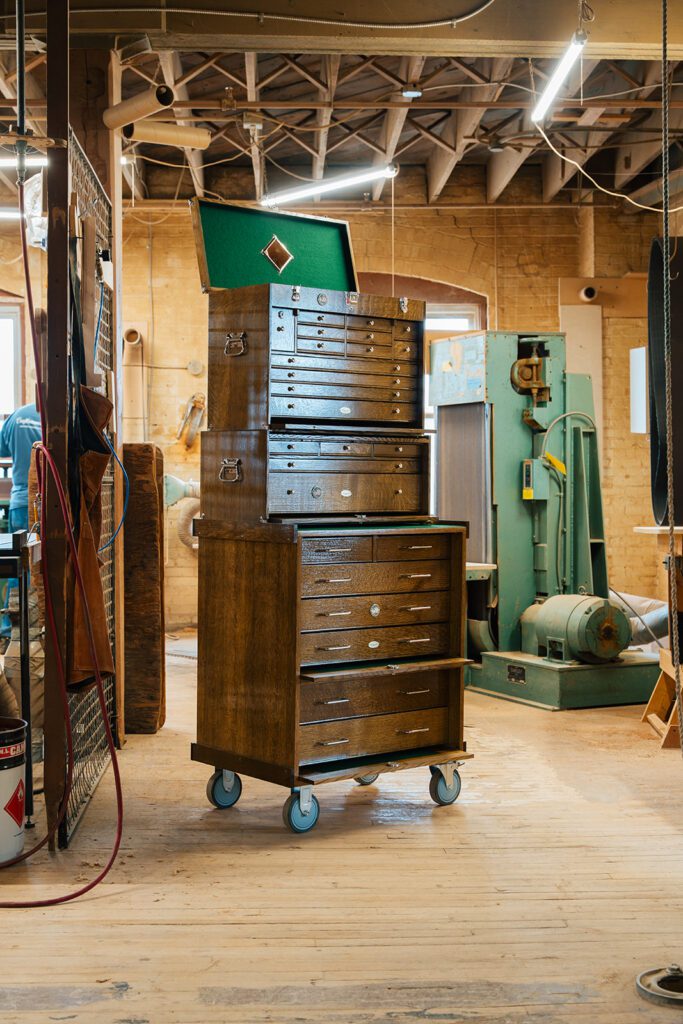
You remember the friend who came over to help with one small part of a project and somehow stayed the entire afternoon. These are the moments that don’t show up on a project plan. They are simply time spent together.
And that time has a way of becoming more valuable as the years go by.
Make Something, And Make Memories
The next time you walk into your workshop, take a moment to look around. Think about everything that has been made there. All the things that have been repaired, restored, solved, and figured out. Most importantly who stood beside you.
Take a moment, slow down, and invite someone in. Start a project. It does not have to be perfect. Take time and teach someone how to use a tool. Passing on a skill of patience, precision, and taking care of things to make them last is priceless.
Because someday, the project will be finished. The workshop will be waiting for the next project. The Gerstner chest will still be there, too. Ready for the next tool and the next idea. Waiting for the next generation.
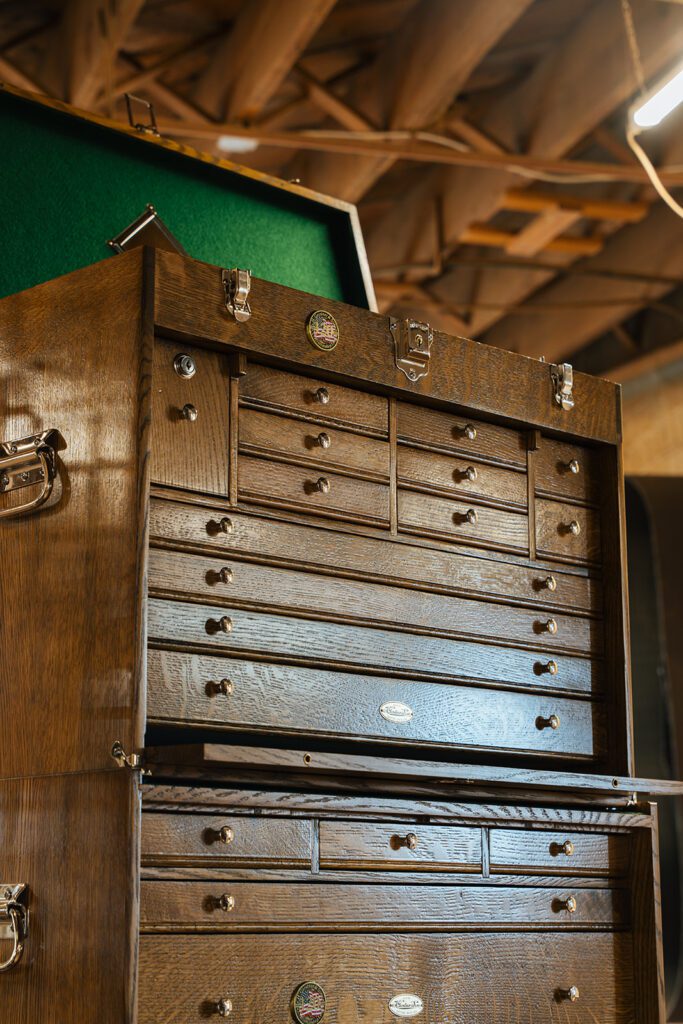
Because the best workshops are not just places where things are made. They are places where memories are made, too.
And sometimes, the things we build together become the things that remind us how much that time together meant.