
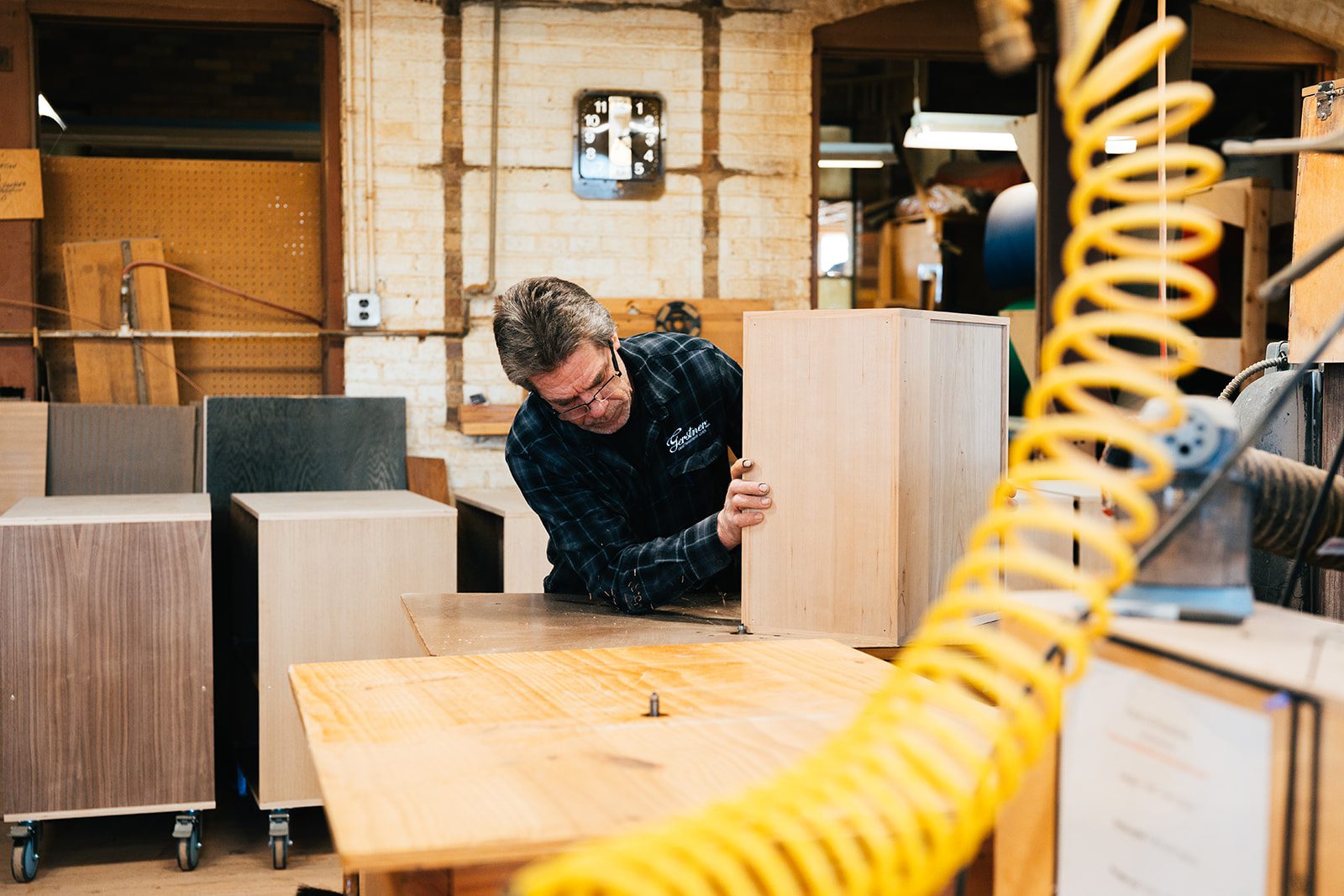
There is something deeply satisfying about working with your hands. Whether you enjoy the sound of a hand plane moving across a piece of wood, the careful adjustment of a machinist’s tool, the delicate work of tying a fly, or the patience required to restore a mechanical watch, hobbies give us a reason to slow down and pay attention. Hobbies are better together because they give us opportunities to learn, share ideas, solve problems, and enjoy the process with others.
The Joy of Making Something Together
A workshop can be much more than a place to keep tools and work on projects. It can become a place where people gather, ideas are exchanged, and skills are passed from one generation to the next.
A woodworker might show a friend how to sharpen a plane blade or make a difficult joint. A machinist might explain why a measurement down to a thousandth of an inch matters. An experienced fly-tier can demonstrate a technique that took years to master, while a watch enthusiast can introduce someone to the remarkable precision required to work on tiny mechanical movements.
Sometimes the greatest value of a hobby is not the finished project, but the time spent learning and working alongside someone else.
The hobbies themselves may be very different, but many share the same appreciation for craftsmanship and precision. Woodworking combines creativity with an understanding of materials and construction.
Toolmaking brings engineering and craftsmanship together. Fly tying combines creativity with attention to detail. Lutherie brings together woodworking, acoustics, design, and patience to create a musical instrument. Horology takes precision to an even smaller scale. Tiny components must work together with remarkable accuracy.
Even building and flying radio-controlled aircraft combines several skills. Builders work with woodworking, engineering, electronics, and problem solving. They also enjoy the satisfaction of seeing their work take flight.
What connects these interests goes beyond the tools they require. It is the mindset behind them. People who enjoy hands-on hobbies like to understand how things work. They enjoy figuring out how to make something better. They also take pride in doing a job well.
The right tool can make a difference. Experience and patience matter just as much. So does a willingness to learn. When people share their knowledge, everyone has an opportunity to improve.
More Than the Finished Project
Some of the best memories we create around a hobby have little to do with the finished project. Instead, we remember the conversations and experiences along the way.
A parent might teach a child how to use a tool. A grandfather might explain how he learned a skill decades ago. Two friends might spend a Saturday afternoon working on separate projects at the same bench. A group of hobbyists might compare tools and techniques. An experienced craftsman might take the time to answer a beginner’s questions.
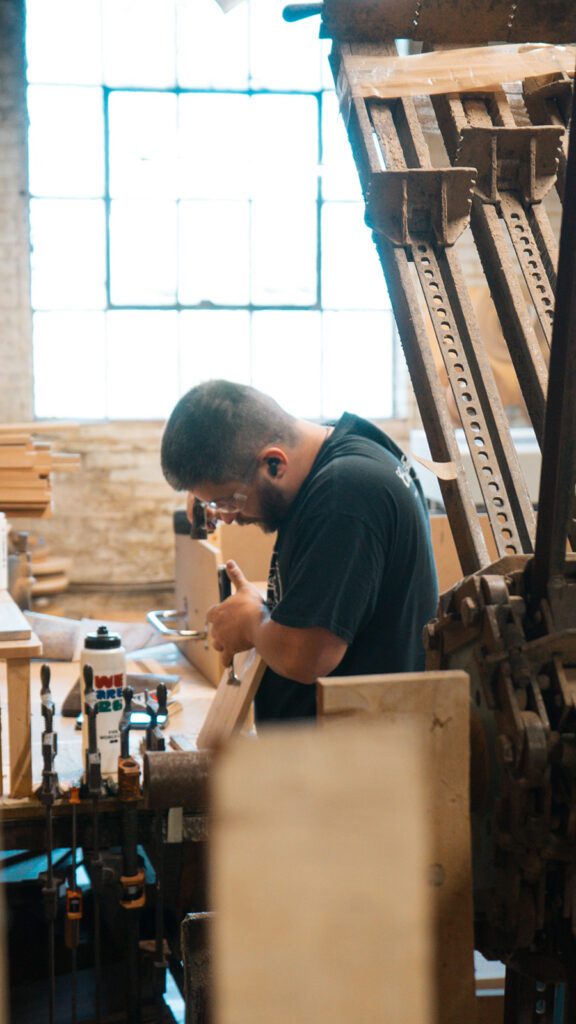
These moments can seem ordinary while they happen. Yet they often stay with us long after we finish the project.
As a hobby grows, so does the collection of tools that supports it. Tools can represent years of experience and investment. Some become favorites because they simply feel right in your hand.
Keeping those tools organized makes it easier to find what you need. It also makes it easier to get started on the next project. An organized workshop gives you room to focus on creativity, craftsmanship, and problem-solving.
That philosophy has guided the Gerstner story for generations. Harry Gerstner began building wooden tool chests in Dayton, Ohio, in 1906. He wanted to give precision tools a proper home.
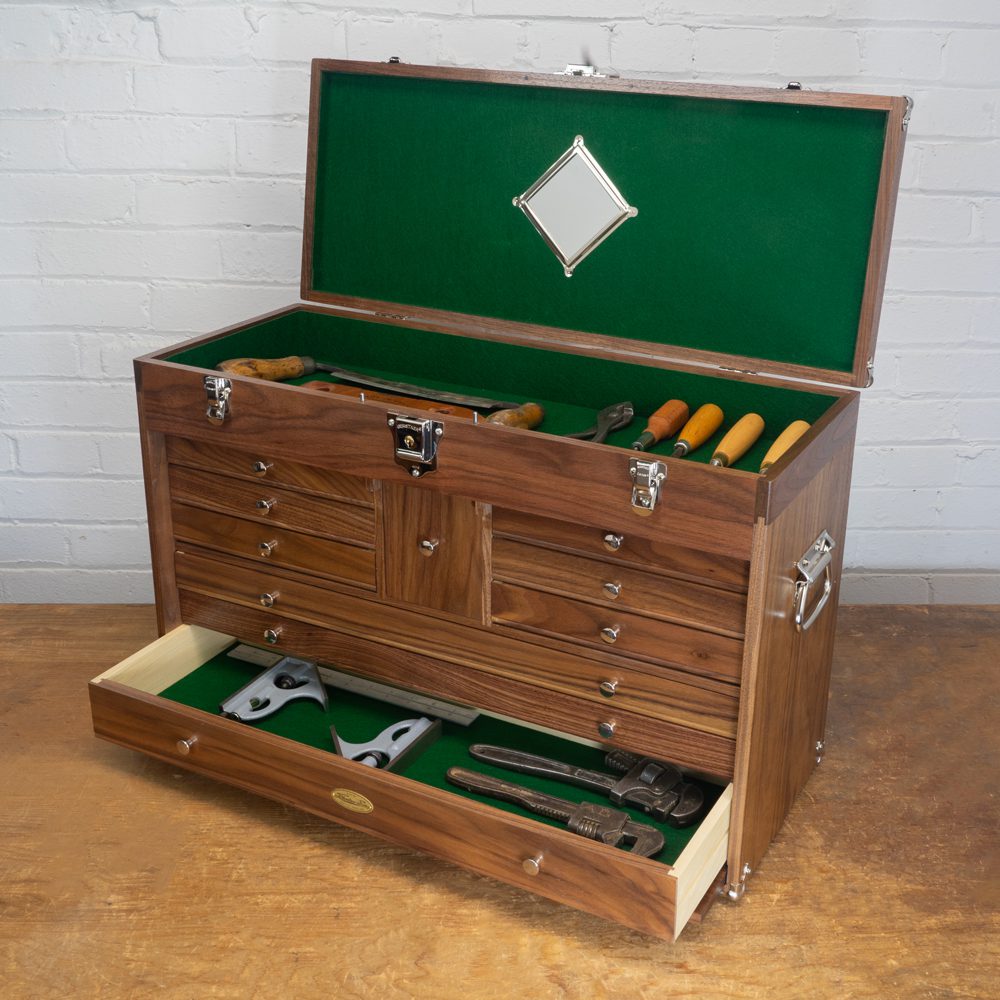
His approach created a simple idea that still makes sense today. When everything has a place, you can find the tools you need when you need them. Gerstner continues that tradition by crafting wooden tool chests for machinists, woodworkers, hobbyists, collectors, and anyone who values well-made tools.
A Place for the Tools That Matter
A Gerstner tool chest becomes a part of any hobby. A machinist might organize micrometers, calipers, gauges, and other precision instruments inside the drawers. A woodworker might keep measuring tools, carving tools, specialty hand tools, and sharpening supplies close at hand.
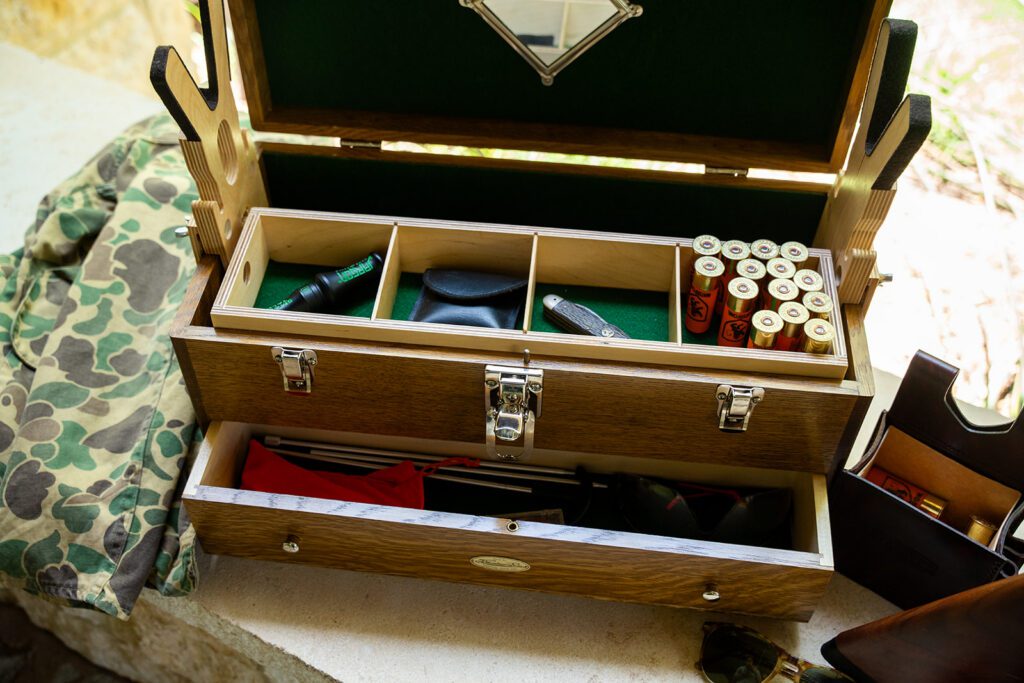
A fly tier can organize hooks, feathers, thread, and delicate tying tools. A watch enthusiast can use a chest to protect precision instruments and treasured pieces. Someone building model aircraft can organize small tools, measuring equipment, electronics, and components inside a Gerstner chest.
That versatility makes a well-made tool chest more than simple storage. Over time, it can become part of the workspace. It can become part of the hobby itself.
The tools inside may change as interests develop and new projects begin. The chest remains a familiar part of the process. It protects the tools, keeps them organized, and creates a workspace where you can sit down and get to work.
The best part does not always end when you finish the project. You can share a fly you tied on the water. You can bring a piece of furniture into your family’s home. You can fill a room with music from a handmade instrument.
You can take a model airplane to the flying field. You can share the excitement with other builders and pilots. You can restore a watch or tool and eventually pass it along to someone who will appreciate it as much as you do.
The work gains meaning when it connects us to other people.
That is why hobbies are better together. They give us something to talk about, something to learn, and something to make. They create opportunities to teach and learn. They give us a chance to solve problems together and spend meaningful time with people who appreciate the satisfaction of doing something well.
A good workshop is not simply a place filled with tools. It is a place where people bring ideas together. It is a place where they share skills and create memories.
And sometimes, the most important thing on the workbench is not what you are making. It is who is standing beside you.